Search for Dutch Island home prices and you will find two numbers that cannot both be describing the same neighborhood. One report shows the average sale price down 38 percent from a year earlier. Another, pulled from the very same page, shows the median sale price up 20.4 percent over the three months ending May 2026, landing at $974,000. A third source puts the trailing twelve-month median closer to $775,000 to $799,000, down only a few percentage points.
None of these numbers is wrong. They are measuring a market small enough that a handful of closings can send the topline figure in opposite directions depending on which handful you happen to catch. For a buyer trying to decide whether Dutch Island is heating up or cooling off, that contradiction is not noise to filter out. It is the most honest thing the data will tell you about how this particular island prices its homes.
Two Numbers, Same Report, Same Month
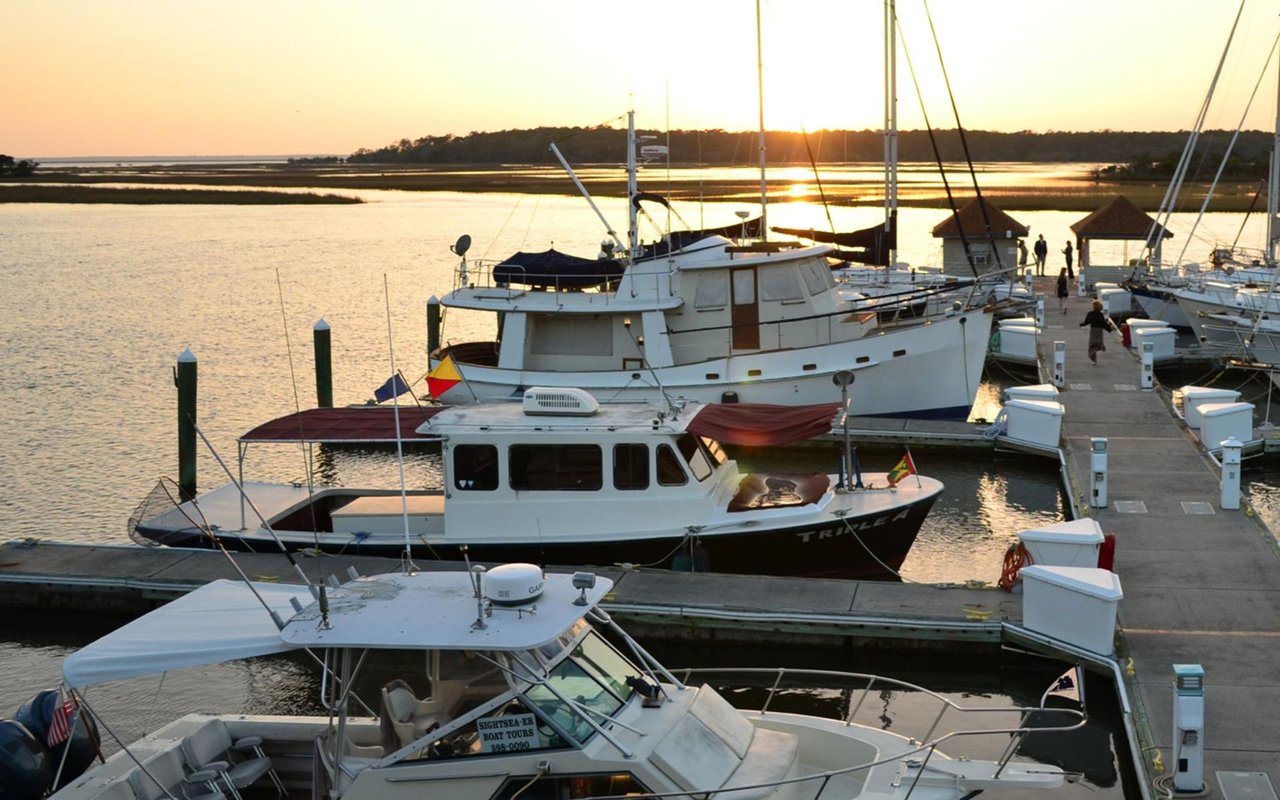
Dutch Island sits about 15 miles from downtown Savannah, a gated, roughly 500-acre community wrapped in the Herb, Skidaway, and Wilmington rivers, with somewhere between 480 and 500 single-family homes along 8.83 miles of paved road. It is not a large market in transaction terms. A dozen or so closings in a given quarter can constitute the entire dataset a portal uses to calculate its median.
That is exactly what appears to be happening. The median sale price over the three months ending May 2026 came in at $974,000, up 20.4 percent year over year, with a median price per square foot of $276, up 11.9 percent over that same span. In the same report, the average sale price for the most recent month tracked was $683,000, down 38 percent from a year earlier. A national listing portal's own trailing twelve-month figures land lower still, in the $775,000 to $799,000 range.
Three numbers, three different pictures, all technically accurate. The gap between them is not a data error. It is what happens when a neighborhood's price story depends on which few homes closed escrow that quarter.
Five Houses, Six Months, a $470,000 Spread
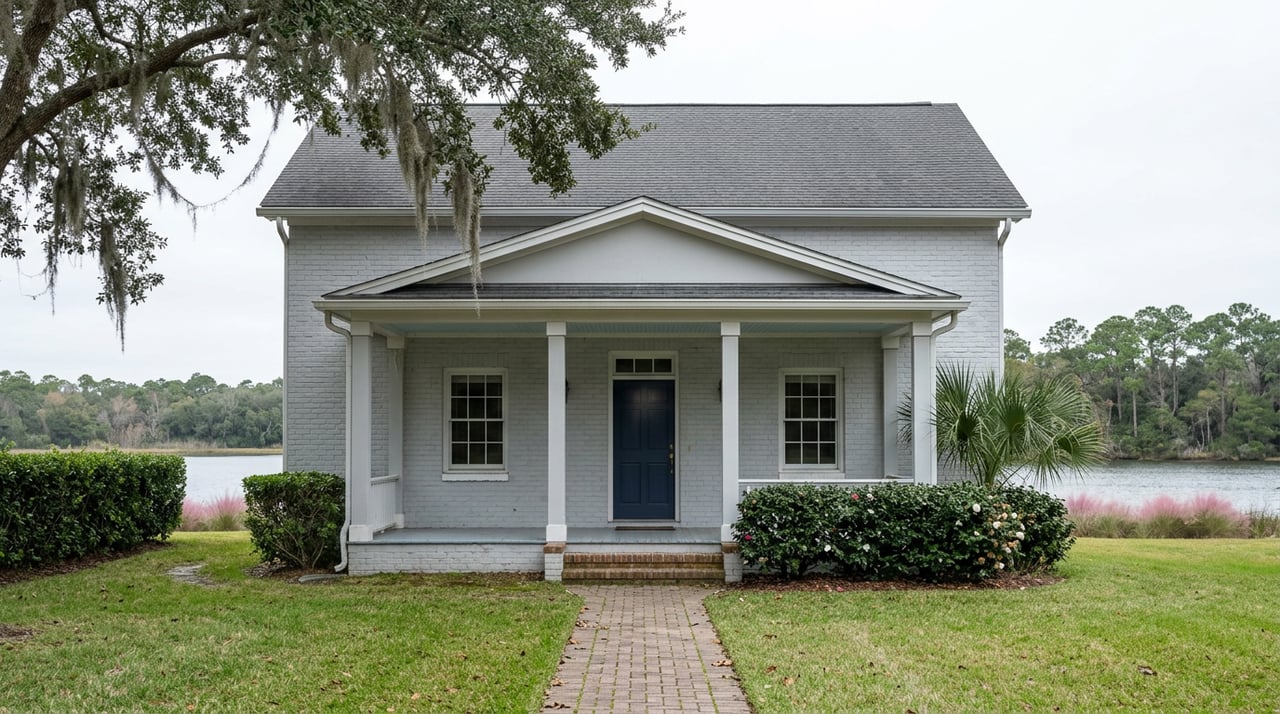
The clearest way to see the mechanism is to look at what actually sold. Between January and June 2026, closed sales on Dutch Island included a 3-bedroom, 3-bath home at 5 Settlers Point for $505,000 in January, a 4-bedroom, 5-bath home at 108 Terrapin Trail for $824,400 in April, a 5-bedroom, 5-bath home at 145 Dutch Island Drive for $975,000 that same month, a 4-bedroom home at 38 Mulberry Bluff Drive for $799,000 in June, and a 4-bedroom, 2-bath home at 12 Briarberry Cove for $566,000, also in June.
Lay those five out and the spread runs from $505,000 to $975,000, a difference of $470,000, inside a six-month window. Whichever three of those happen to fall inside a given quarter's reporting window will produce a wildly different median than a different three would. That is not a market losing its footing. It is a market where the "typical" home is whatever combination of five houses happened to change hands last.
Why a Handful of Lots Can Move the Median
The composition of what sells matters as much as how many homes sell. Dutch Island's inventory runs the full range from interior lots on smaller lagoons to marsh-front and river-adjacent homesites that command a different tier of pricing entirely. A raw waterfront lot at 128 Dutch Island Drive, a 0.69-acre marsh-front parcel, closed for $240,000 as land alone. Compare that to an active listing at 8 Liberty Creek Drive, a nearly one-acre cul-de-sac homesite with marsh and tidal creek views, where the current owner has already worked with the Georgia Department of Natural Resources over the past year to establish an approved building envelope and secure house plans. That kind of homesite, once built out, sells in a different bracket than a standard interior resale.
When one or two of those higher-tier waterfront properties close in the same quarter as a run of modest interior homes, the median swings hard in one direction. When the reverse happens, it swings the other way. Redfin's own migration data adds a plausible piece to this: in the first quarter of 2026, 48 percent of Dutch Island homebuyers searched to move out of the community while 52 percent looked to stay within the metro area, and Atlanta was the most common outside metro searching to move in, ahead of Jacksonville and New York. Out-of-market buyers relocating for a coastal lifestyle tend to gravitate toward the water-access properties that define Dutch Island's identity, which can pull the mix toward the top of the range in a way local churn alone would not.
One Fee, No Club: The Other Number Buyers Misread
The second number worth understanding before comparing Dutch Island to other gated communities on or near Skidaway Island is the HOA structure itself. Dutch Island charges one flat annual fee, roughly $1,700 as of 2026, and that single number covers community maintenance, staffed security at the 24-hour gated entrance, and access to the full amenity package: a 500-foot resident dock and boat launch, a swimming pool with a children's pool, two tennis courts, a basketball court, a playground, an athletic field, and the network of lagoons and common areas scattered through the neighborhood.
There is no optional club tier, no golf membership to weigh, no separate assessment layered on top. That is a structurally different cost model than communities built around a private club, where membership is a separate cost to consider. On Dutch Island, the flat fee is the whole story, and it is a large part of why the community has earned its reputation among boaters: the water access, the dock, and the launch are all included.
What This Means If You're Weighing Dutch Island Against a Club Community
For a buyer comparing Dutch Island to a larger, club-based community, the practical takeaway is to treat the median price as a snapshot of whatever mix happened to close recently, not as a stand-in for what a specific home on a specific lagoon or marsh frontage will cost. The $470,000 spread across five recent closings is the more honest guide: know which tier of the island you are shopping in, interior lagoon lot or marsh-front homesite, before anchoring to any single headline figure.
The other friction worth planning for shows up if you are buying land rather than a finished home. Homes.com reports that Dutch Island's architectural review committee approves all exterior changes, from a fence to a paint color. Homes.com also reports that only traditional housing styles are permitted: Lowcountry, Country European, and historic revival styles such as Colonial, Federal, and Greek Revival. That review applies to renovations on existing homes just as much as to new construction, so anyone planning changes after closing should budget time for committee approval into their renovation timeline. And for anyone eyeing a waterfront homesite specifically, the DNR approval process for a building envelope near marsh frontage, the kind of work already completed on 8 Liberty Creek Drive, can take the better part of a year. A lot where that groundwork is already done is worth more than the raw acreage alone.
Frequently Asked Questions
Is Dutch Island's HOA fee really the same for every home? Yes. The roughly $1,700 annual fee is a single flat charge covering security, maintenance, and all shared amenities, regardless of whether a home sits on an interior lagoon or a marsh-front lot.
Why do different sources show different median prices for Dutch Island? Because the market is small enough that a handful of closings determines the reported median in any given window. A quarter with more high-end waterfront sales will show a higher median than a quarter dominated by interior resales, even if overall demand hasn't changed.
Does Dutch Island have a golf or country club membership? No. Dutch Island's amenities center on water access, tennis, and pool facilities included in the flat HOA fee rather than a club structure with separate membership tiers.
The Bottom Line
Dutch Island's numbers will keep looking inconsistent from one report to the next, and that inconsistency is a feature of the market's size, not a flaw in the data. What matters more than any single median is knowing which slice of the island a given price reflects and what the flat fee structure actually buys before it. If you are weighing Dutch Island against The Landings or another gated Skidaway-area community, or trying to make sense of a homesite that already has its DNR groundwork done, that is exactly the kind of local reading a portal can't do for you.
The Landings Home Team lives and works this market every day, and we're happy to walk through what a specific Dutch Island lot, lagoon lot, or marsh-front homesite is actually worth before you make an offer. Let's Start a Conversation.
This article is general information, not legal, tax or financial advice. Consult a qualified professional about your situation.